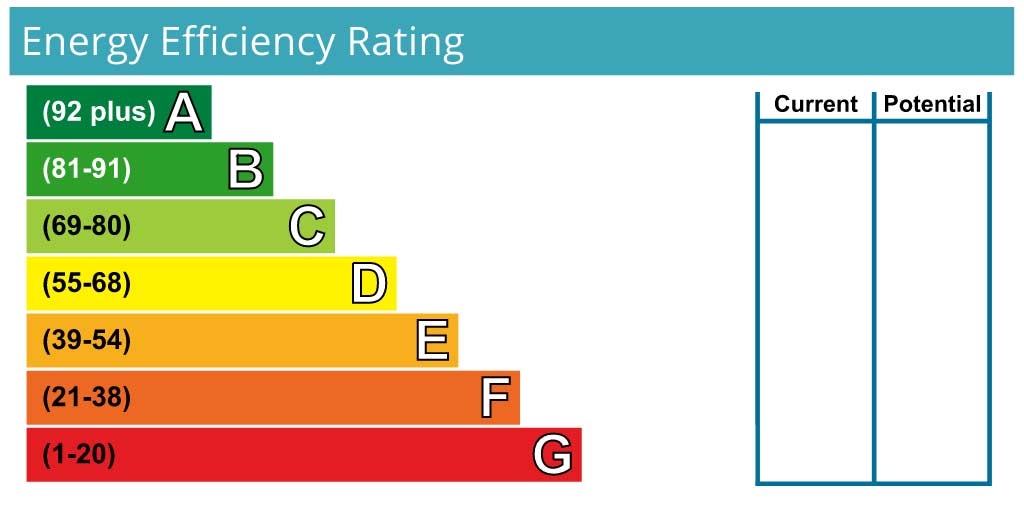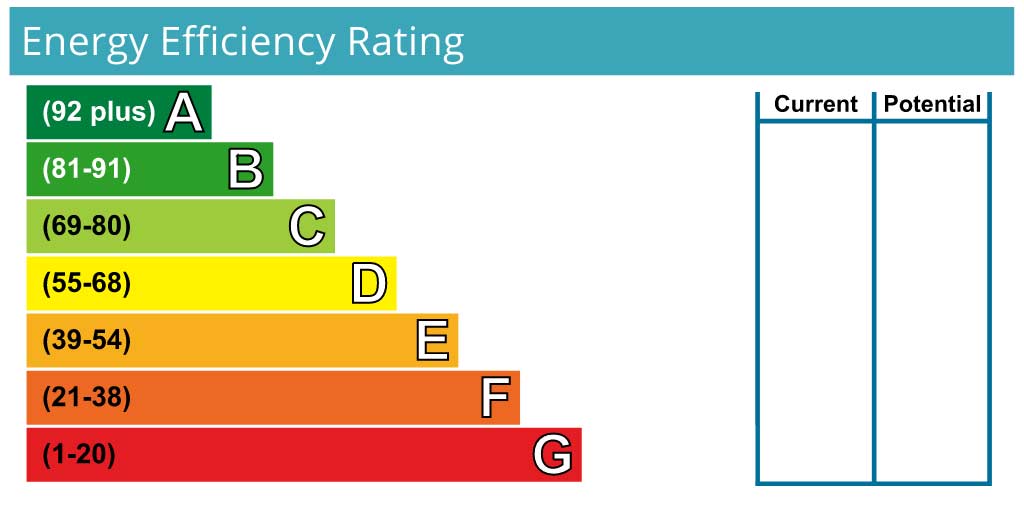
Improving EPC ratings for your property or properties may have slipped down the priority list over recent years. Rising borrowing costs, changing tenant demand, and wider economic uncertainty have understandably taken centre stage.But energy efficiency is moving firmly back up the agenda for both residential and commercial landlords. The government has confirmed its intention to raise minimum standards for privately rented homes to EPC ‘C’ or equivalent by 2030, while larger commercial rented properties face a proposed EPC ‘B’ standard from 2031. While the deadline may still feel some way off, property improvements aren’t always quick fixes. Planning permission, lease agreements, financing, contractor availability and refurbishment works can all take time, meaning landlords may benefit from planning ahead rather than leaving improvements until the last minute.What has actually changed?For buy to let landlords, the government has confirmed that privately rented homes in England and Wales will need to meet EPC ‘C’ or an equivalent standard by 2030, unless a valid exemption applies. The future system will also use reformed EPC metrics rather than relying solely on the current rating system.For commercial landlords, the latest plans are more targeted. From 2031, privately rented commercial buildings over 1,000m² would need to reach EPC ‘B’ where improvements are cost-effective. Smaller commercial buildings would remain subject to the existing EPC ‘E’ minimum, and the previously proposed interim EPC ‘C’ milestone will not go ahead. While these proposals have not yet become law, they provide the clearest indication yet of the direction of travel.Energy efficiency has steadily become a greater priority across the property sector, and landlords should expect that trend to continue over the coming years.Should landlords wait?It’s understandable why you may be tempted to wait until close to the deadline. The finer details of the commercial proposals are still being consulted on, and there’s always the possibility that timescales or requirements could change before legislation is finalised.However, waiting also comes with risks. Older homes, larger commercial buildings and properties requiring significant improvements often need careful planning. Leaving everything until the years immediately before the deadlines could mean competing with many other landlords for contractors, surveyors and finance at the same time.Planning early doesn’t mean spending early. It means knowing your current EPC, understanding where the weaknesses are and working out when improvements make the most sense.What could this mean for your buy to let?Check what rating your property currently has and whether that EPC still reflects the building accurately. If you’ve replaced the boiler, upgraded windows, improved insulation or carried out other works since the assessment was completed, an updated EPC could give you a clearer picture of what still needs doing.Then look at the property as an investment. If a kitchen refurbishment, void period or remortgage is already coming up, could energy efficiency works be carried out at the same time? Combining improvements may be less disruptive and easier to fund than treating EPC work as a separate project later.If you own several properties, don’t assume they all need to be tackled at once. A property already close to EPC ‘C’ may require relatively modest work, while an older property could demand considerably more investment. Understanding that difference now can help you decide where your money is best spent.Making improvements is more than just a government requirementFunding improvements is just as important as deciding which improvements to make. Rather than paying for major works outright, some landlords may wish to consider refinancing, raising capital against existing assets or exploring specialist development finance to spread the cost of improvements.Planning finance early can often provide greater flexibility than waiting until works become more urgent, particularly if multiple properties within a portfolio require upgrading over a relatively short period.Plan around your property, not the deadlineYour natural property milestones may be more useful than the government deadline. For a buy to let, that could be a void period, planned refurbishment or upcoming remortgage. For a commercial property, it might be a lease renewal, tenant change or wider refurbishment programme.Using those moments to carry out energy efficiency work may reduce disruption and allow the cost to form part of a wider investment plan.Even if you’re not planning to let a property for another decade, improving energy performance may still strengthen its appeal if you decide to refinance or sell in the future.Four steps landlords can take nowEven with several years until the proposed deadline, there are practical steps landlords can begin taking today:Review the current EPC rating across your portfolio, and consider getting an updated assessment if your property hasn’t been checked in several years.Identify which properties may require the greatest investment.Use natural opportunities to carry out work such as upcoming lease changes, tenant moves or other refurbishments.Review funding early, and speak to a specialist adviser about the financing options available in your planning stage. Aim to understand what each property needs, plan improvements at the right time and make sure every pound you invest supports your wider property strategy.
Improving EPC ratings for your property or properties may have slipped down the priority list over recent years. Rising borrowing costs, changing tenant demand, and wider economic uncertainty have understandably taken centre stage.But energy efficiency is moving firmly back up the agenda for both residential and commercial landlords. The government has confirmed its intention to raise minimum standards for privately rented homes to EPC ‘C’ or equivalent by 2030, while larger commercial rented properties face a proposed EPC ‘B’ standard from 2031. While the deadline may still feel some way off, property improvements aren’t always quick fixes. Planning permission, lease agreements, financing, contractor availability and refurbishment works can all take time, meaning landlords may benefit from planning ahead rather than leaving improvements until the last minute.What has actually changed?For buy to let landlords, the government has confirmed that privately rented homes in England and Wales will need to meet EPC ‘C’ or an equivalent standard by 2030, unless a valid exemption applies. The future system will also use reformed EPC metrics rather than relying solely on the current rating system.For commercial landlords, the latest plans are more targeted. From 2031, privately rented commercial buildings over 1,000m² would need to reach EPC ‘B’ where improvements are cost-effective. Smaller commercial buildings would remain subject to the existing EPC ‘E’ minimum, and the previously proposed interim EPC ‘C’ milestone will not go ahead. While these proposals have not yet become law, they provide the clearest indication yet of the direction of travel.Energy efficiency has steadily become a greater priority across the property sector, and landlords should expect that trend to continue over the coming years.Should landlords wait?It’s understandable why you may be tempted to wait until close to the deadline. The finer details of the commercial proposals are still being consulted on, and there’s always the possibility that timescales or requirements could change before legislation is finalised.However, waiting also comes with risks. Older homes, larger commercial buildings and properties requiring significant improvements often need careful planning. Leaving everything until the years immediately before the deadlines could mean competing with many other landlords for contractors, surveyors and finance at the same time.Planning early doesn’t mean spending early. It means knowing your current EPC, understanding where the weaknesses are and working out when improvements make the most sense.What could this mean for your buy to let?Check what rating your property currently has and whether that EPC still reflects the building accurately. If you’ve replaced the boiler, upgraded windows, improved insulation or carried out other works since the assessment was completed, an updated EPC could give you a clearer picture of what still needs doing.Then look at the property as an investment. If a kitchen refurbishment, void period or remortgage is already coming up, could energy efficiency works be carried out at the same time? Combining improvements may be less disruptive and easier to fund than treating EPC work as a separate project later.If you own several properties, don’t assume they all need to be tackled at once. A property already close to EPC ‘C’ may require relatively modest work, while an older property could demand considerably more investment. Understanding that difference now can help you decide where your money is best spent.Making improvements is more than just a government requirementFunding improvements is just as important as deciding which improvements to make. Rather than paying for major works outright, some landlords may wish to consider refinancing, raising capital against existing assets or exploring specialist development finance to spread the cost of improvements.Planning finance early can often provide greater flexibility than waiting until works become more urgent, particularly if multiple properties within a portfolio require upgrading over a relatively short period.Plan around your property, not the deadlineYour natural property milestones may be more useful than the government deadline. For a buy to let, that could be a void period, planned refurbishment or upcoming remortgage. For a commercial property, it might be a lease renewal, tenant change or wider refurbishment programme.Using those moments to carry out energy efficiency work may reduce disruption and allow the cost to form part of a wider investment plan.Even if you’re not planning to let a property for another decade, improving energy performance may still strengthen its appeal if you decide to refinance or sell in the future.Four steps landlords can take nowEven with several years until the proposed deadline, there are practical steps landlords can begin taking today:Review the current EPC rating across your portfolio, and consider getting an updated assessment if your property hasn’t been checked in several years.Identify which properties may require the greatest investment.Use natural opportunities to carry out work such as upcoming lease changes, tenant moves or other refurbishments.Review funding early, and speak to a specialist adviser about the financing options available in your planning stage. Aim to understand what each property needs, plan improvements at the right time and make sure every pound you invest supports your wider property strategy.
Improving EPC ratings for your property or properties may have slipped down the priority list over recent years. Rising borrowing costs, changing tenant demand, and wider economic uncertainty have understandably taken centre stage.But energy efficiency is moving firmly back up the agenda for both residential and commercial landlords. The government has confirmed its intention to raise minimum standards for privately rented homes to EPC ‘C’ or equivalent by 2030, while larger commercial rented properties face a proposed EPC ‘B’ standard from 2031. While the deadline may still feel some way off, property improvements aren’t always quick fixes. Planning permission, lease agreements, financing, contractor availability and refurbishment works can all take time, meaning landlords may benefit from planning ahead rather than leaving improvements until the last minute.What has actually changed?For buy to let landlords, the government has confirmed that privately rented homes in England and Wales will need to meet EPC ‘C’ or an equivalent standard by 2030, unless a valid exemption applies. The future system will also use reformed EPC metrics rather than relying solely on the current rating system.For commercial landlords, the latest plans are more targeted. From 2031, privately rented commercial buildings over 1,000m² would need to reach EPC ‘B’ where improvements are cost-effective. Smaller commercial buildings would remain subject to the existing EPC ‘E’ minimum, and the previously proposed interim EPC ‘C’ milestone will not go ahead. While these proposals have not yet become law, they provide the clearest indication yet of the direction of travel.Energy efficiency has steadily become a greater priority across the property sector, and landlords should expect that trend to continue over the coming years.Should landlords wait?It’s understandable why you may be tempted to wait until close to the deadline. The finer details of the commercial proposals are still being consulted on, and there’s always the possibility that timescales or requirements could change before legislation is finalised.However, waiting also comes with risks. Older homes, larger commercial buildings and properties requiring significant improvements often need careful planning. Leaving everything until the years immediately before the deadlines could mean competing with many other landlords for contractors, surveyors and finance at the same time.Planning early doesn’t mean spending early. It means knowing your current EPC, understanding where the weaknesses are and working out when improvements make the most sense.What could this mean for your buy to let?Check what rating your property currently has and whether that EPC still reflects the building accurately. If you’ve replaced the boiler, upgraded windows, improved insulation or carried out other works since the assessment was completed, an updated EPC could give you a clearer picture of what still needs doing.Then look at the property as an investment. If a kitchen refurbishment, void period or remortgage is already coming up, could energy efficiency works be carried out at the same time? Combining improvements may be less disruptive and easier to fund than treating EPC work as a separate project later.If you own several properties, don’t assume they all need to be tackled at once. A property already close to EPC ‘C’ may require relatively modest work, while an older property could demand considerably more investment. Understanding that difference now can help you decide where your money is best spent.Making improvements is more than just a government requirementFunding improvements is just as important as deciding which improvements to make. Rather than paying for major works outright, some landlords may wish to consider refinancing, raising capital against existing assets or exploring specialist development finance to spread the cost of improvements.Planning finance early can often provide greater flexibility than waiting until works become more urgent, particularly if multiple properties within a portfolio require upgrading over a relatively short period.Plan around your property, not the deadlineYour natural property milestones may be more useful than the government deadline. For a buy to let, that could be a void period, planned refurbishment or upcoming remortgage. For a commercial property, it might be a lease renewal, tenant change or wider refurbishment programme.Using those moments to carry out energy efficiency work may reduce disruption and allow the cost to form part of a wider investment plan.Even if you’re not planning to let a property for another decade, improving energy performance may still strengthen its appeal if you decide to refinance or sell in the future.Four steps landlords can take nowEven with several years until the proposed deadline, there are practical steps landlords can begin taking today:Review the current EPC rating across your portfolio, and consider getting an updated assessment if your property hasn’t been checked in several years.Identify which properties may require the greatest investment.Use natural opportunities to carry out work such as upcoming lease changes, tenant moves or other refurbishments.Review funding early, and speak to a specialist adviser about the financing options available in your planning stage. Aim to understand what each property needs, plan improvements at the right time and make sure every pound you invest supports your wider property strategy.